Book Your Appointment Now
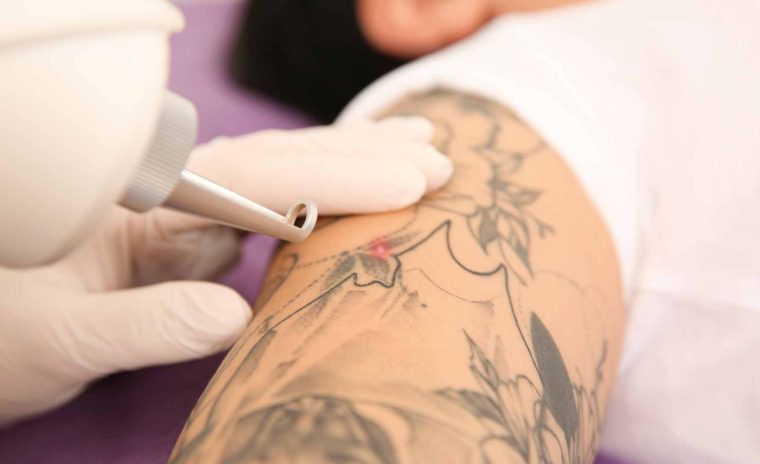
Getting a tattoo removed is more than just showing up for your laser appointment. What you do after each session can have a major impact on how your skin heals and how effectively the tattoo fades over time. Proper tattoo removal aftercare helps reduce irritation, supports the healing process, and lowers the risk of complications between treatments.
Whether you recently had your first session or are planning to begin the removal process, understanding what to expect during recovery is important. Laser treatments break down tattoo ink beneath the skin, but your body still needs time to process and remove those ink particles naturally. Following the right aftercare routine gives your skin the support it needs during this process.
In this guide, we’ll cover everything you need to know about laser tattoo removal aftercare, including healing timelines, skin care recommendations, activities to avoid, and practical tips to help you achieve the best possible results.
Understanding How Laser Tattoo Removal Works
Before discussing aftercare, it helps to understand what happens during treatment.
Laser tattoo removal uses concentrated laser energy to target tattoo ink beneath the skin. The laser breaks the pigment into tiny particles that can be naturally eliminated by your body’s immune system over time. As the ink particles gradually fade, the tattoo becomes lighter with each session.
Because the treatment affects the skin’s surface and deeper layers, some temporary side effects are expected. This is why following proper laser tattoo aftercare instructions is so important after every appointment.
Why Tattoo Removal Aftercare Is Important
Many people focus on the treatment itself and overlook the recovery process. However, aftercare plays a critical role in your overall results.
Proper tattoo removal aftercare can help:
- Promote healthy healing
- Reduce redness and swelling
- Minimize discomfort
- Lower the risk of infection
- Protect the treated skin
- Support optimal tattoo fading
- Reduce the likelihood of scarring
Taking care of your skin between appointments can also help ensure you’re ready for future sessions according to your treatment schedule.
What to Expect After Treatment
It’s normal for the treated area to go through several stages of healing after laser tattoo removal.
Immediately after treatment, you may notice:
- Redness
- Swelling
- Warmth in the treatment area
- Mild tenderness
- Temporary whitening or frosting of the skin
Over the next few days, some clients may also experience:
- Dryness
- Itching
- Minor blistering
- Light scabbing
These reactions are generally part of the body’s natural healing response. Every person’s skin heals differently, so your experience may vary depending on factors such as skin type, tattoo location, and treatment intensity.
The First 24 Hours After Laser Tattoo Removal
The first day following treatment is one of the most important stages of laser tattoo removal aftercare.
Keep the Area Clean
Gently cleanse the treated area with mild soap and lukewarm water if instructed by your provider. Avoid scrubbing or applying excessive pressure.
After cleaning, carefully pat the skin dry with a clean towel.
Follow Bandaging Instructions
Your technician may apply a protective dressing immediately after treatment. Follow all instructions regarding when to remove or replace the bandage.
Keeping the area protected during the initial healing period can help prevent unnecessary irritation.
Reduce Swelling
If you experience swelling or discomfort, a cold compress may provide relief. Apply it for short intervals as recommended by your provider.
Avoid placing ice directly against the skin.
Tattoo Removal Skin Care Tips for Proper Healing
Maintaining a simple and gentle routine is one of the best approaches to tattoo removal skin care.
Keep the Skin Moisturized
As the treated area heals, your provider may recommend a specific ointment or moisturizer.
Keeping the skin properly hydrated can:
- Improve comfort
- Reduce excessive dryness
- Support the healing process
Only use products approved by your technician or provider.
Avoid Harsh Skin Products
Healing skin is more sensitive than usual.
Avoid applying:
- Retinoids
- Chemical exfoliants
- Strong acids
- Alcohol-based products
- Fragranced lotions
These products may increase irritation and delay recovery.
Do Not Pick or Scratch
As the skin heals, itching and scabbing may occur.
Resist the urge to:
- Scratch the area
- Pick at scabs
- Peel flaking skin
Allowing the skin to heal naturally can help minimize the risk of scarring and irritation.
Protect the Area From Sun Exposure
One of the most important laser tattoo removal aftercare tips is protecting your skin from ultraviolet exposure.
Why Sun Protection Matters
The treated area is often more sensitive to sunlight after laser treatment. Excessive sun exposure can increase the risk of:
- Hyperpigmentation
- Uneven skin tone
- Delayed healing
- Additional irritation
Cover the Area When Possible
If the tattoo is located on an exposed part of the body, consider wearing:
- Long sleeves
- Protective clothing
- Hats when appropriate
Use Sunscreen After Healing
Once the skin has healed sufficiently and your provider approves sunscreen use, apply a broad-spectrum sunscreen with SPF 30 or higher.
Consistent sun protection remains important throughout the tattoo removal process.
How to Care for Skin After Laser Tattoo Removal
If you’re wondering how to care for skin after laser tattoo removal, focus on keeping the area clean, protected, and free from unnecessary irritation.
Some simple best practices include:
- Wash the area gently
- Stay hydrated
- Follow all aftercare instructions
- Wear loose-fitting clothing
- Avoid friction on the treated skin
- Monitor the area for changes
These small steps can make a significant difference during recovery.
Managing Blisters and Scabbing
Blistering can be alarming if you’ve never experienced it before, but it is a common part of healing for some clients.
Leave Blisters Alone
Blisters form to protect the healing skin underneath.
Do not:
- Pop blisters
- Drain them yourself
- Remove loose skin
Allowing them to heal naturally helps reduce the risk of complications.
Let Scabs Fall Off Naturally
Scabbing is another normal response after treatment.
Picking at scabs may:
- Delay healing
- Increase irritation
- Lead to unwanted scarring
Patience is important during this stage of recovery.
Activities to Avoid During Recovery
Certain activities can interfere with healing after laser tattoo removal.
Avoid Swimming
Pools, hot tubs, lakes, and other bodies of water may expose healing skin to bacteria and chemicals.
Wait until the treated area has adequately healed before returning to these activities.
Limit Intense Exercise
Heavy workouts can increase sweating and friction around the treatment site.
Depending on the area treated, your provider may recommend temporarily avoiding strenuous physical activity.
Avoid Excessive Heat
For the first few days, try to avoid:
- Saunas
- Steam rooms
- Hot tubs
- Extremely hot showers
Heat may worsen swelling and discomfort.
Support Healing From the Inside Out
Your body plays a major role in the tattoo removal process.
After each treatment, your immune system helps clear the fragmented ink particles. Supporting your overall health may help optimize this process.
Stay Hydrated
Drinking water helps support normal bodily functions and healthy skin.
Make hydration a daily priority throughout your tattoo removal journey.
Prioritize Healthy Habits
Good overall wellness supports recovery.
Focus on:
- Balanced nutrition
- Adequate sleep
- Stress management
- Regular physical activity once approved
Healthy habits can contribute to better healing between treatments.
How Long Does Healing Take?
Healing timelines vary from person to person.
Most clients experience:
First Few Days
- Redness
- Mild swelling
- Sensitivity
One to Two Weeks
- Reduced inflammation
- Scabbing or peeling resolves
- Improved comfort
Several Weeks
- Continued fading
- Ongoing ink removal by the body
While the surface of the skin may appear healed relatively quickly, deeper healing continues between treatment sessions.
Common Tattoo Removal Aftercare Mistakes
Avoiding common mistakes can help protect your results.
Skipping Aftercare Instructions
Always follow the guidance provided by your treatment professional.
Picking at Healing Skin
Picking at scabs or blisters can interfere with recovery and increase the risk of visible skin changes.
Excessive Sun Exposure
Sun damage can slow healing and affect the appearance of treated skin.
Using Too Many Products
A simple aftercare routine is often the most effective. Avoid experimenting with new skin care products while the area heals.
Preparing for Future Sessions
Most tattoos require multiple treatments to achieve the desired level of fading or removal.
Between sessions:
- Follow all aftercare recommendations
- Protect the area from the sun
- Stay hydrated
- Monitor your healing progress
- Attend scheduled appointments
Healthy skin responds better to treatment, making consistent aftercare an important part of the process.
Additional Services That May Interest You
Many clients who visit us for tattoo removal are also interested in cosmetic and skincare treatments that enhance their confidence and simplify their beauty routine.
At Pretty N’ Ink, we offer a variety of advanced services, including
- Microblading
- Nano Brows
- Powder Brows
- Permanent Eyeliner
- Lip Blushing
- RF Microneedling
- Diamond Glow Facial
- Scar Camouflage
- Scalp Micropigmentation (SMP)
- Areola Repigmentation
These treatments are customized to each client and performed by experienced artists who prioritize natural-looking results.
Frequently Asked Questions About Laser Tattoo Removal Aftercare
Can I shower after laser tattoo removal?
In most cases, yes. Gentle showering is typically allowed, but avoid scrubbing the treated area or exposing it to excessively hot water.
Is itching normal during healing?
Yes. Mild itching is a common part of the healing process. Avoid scratching the area and follow your provider’s recommendations for skin care.
How many tattoo removal sessions will I need?
The number of sessions varies based on the tattoo’s size, colors, age, and depth. A consultation can provide a more personalized estimate.
Can I return to work immediately after treatment?
Most clients can return to normal daily activities shortly after treatment, depending on the location of the tattoo and the nature of their work.
When will I start seeing results?
Many clients notice fading after the first few treatments, but complete removal generally requires multiple sessions spaced several weeks apart.
Conclusion
Following proper tattoo removal aftercare is essential for protecting your skin and supporting the best possible results from laser tattoo removal. Taking the time to keep the area clean, avoid sun exposure, stay hydrated, and follow professional recommendations can make the healing process smoother and more comfortable. While every person’s recovery timeline is different, consistent aftercare helps reduce the risk of complications and allows your body to effectively clear the tattoo ink over time.
At Pretty N’ Ink, we provide professional tattoo removal services in Grand Blanc, MI using advanced laser technology and a client-focused approach. Founded by Anne Tenbusch, our studio is known for honest recommendations, ongoing education, modern equipment, and personalized care. With more than nine years of experience helping clients achieve their cosmetic goals, we take pride in creating a welcoming environment where your comfort and results come first. If you’re considering laser tattoo removal or have questions about the healing process, call (810) 777-2769 to schedule your consultation and learn more about our fair pricing options.