Book Your Appointment Now
What Is Tattoo Removal? A Beginner’s Guide
If you’ve ever wondered, “What is tattoo removal?”, you’re not alone. Tattoos are a permanent form of self-expression, but over time, preferences change, designs fade, or life circumstances make a tattoo less desirable. Whether it’s a name from a past relationship, a youthful, impulsive design, or a professional consideration, many people consider removing tattoos. But before you book an appointment, it’s essential to understand how tattoo removal works, what to expect during the process, and which methods are available. This beginner’s guide covers everything you need to know about tattoo removal basics.
Understanding Tattoo Removal
At its core, tattoo removal is the process of breaking down tattoo ink particles in the skin so that the body can naturally eliminate them. Unlike temporary tattoos, which fade on their own, professional tattoos are designed to last a lifetime. Tattoo ink is deposited in the dermis, the deeper layer of the skin, which is why simple scrubbing or exfoliation cannot remove it.
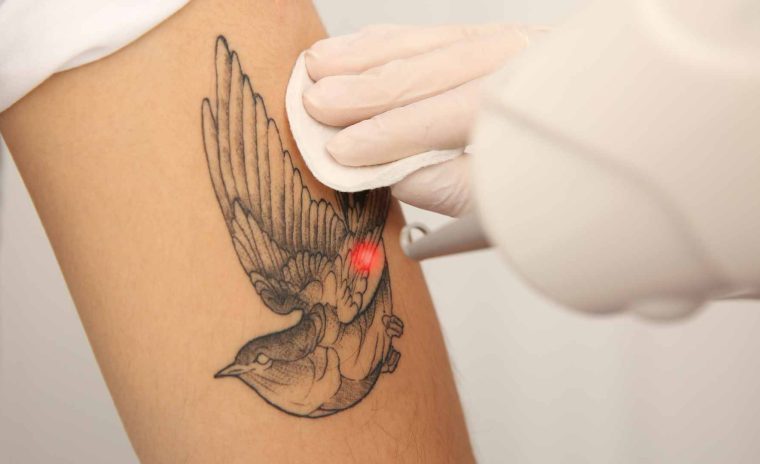
Tattoo removal explained: The most common method is laser treatment, which targets ink particles with high-intensity light. The laser’s energy is absorbed by the pigments, causing them to fragment into smaller particles. Over time, the body’s immune system clears away these fragments, gradually fading the tattoo.
The Tattoo Removal Process
So, how exactly does tattoo removal work? Let’s break it down step by step:
Consultation:
The first step is a consultation with a licensed provider. Here, they will examine your tattoo’s size, color, and age to determine the best removal strategy. Some colors, like black and dark blue, are easier to remove than lighter colors like yellow or green.
Treatment Sessions:
Most tattoos require multiple laser sessions spaced several weeks apart. The number of sessions depends on factors like the tattoo’s size, ink density, and your skin type.
Laser Application:
During the treatment, a laser device emits pulses of light directly onto the tattooed area. You may see immediate whitening or a slight “frosting” effect on the skin, which is normal.
Healing:
After each session, the skin will need time to heal. You may experience redness, swelling, or scabbing, which typically resolves in a few days to a week. Proper aftercare is crucial to prevent infection and promote healing.
Follow-up:
Your provider will schedule follow-up appointments to monitor progress and plan additional sessions if necessary.
This structured approach is why many experts recommend understanding tattoo removal basics before undergoing treatment.
Methods of Tattoo Removal
While laser removal is the most common and effective method, there are other options worth knowing:
- Laser Tattoo Removal:
- The gold standard. Q-switched and picosecond lasers are the most popular types. They can treat a wide range of ink colors and provide predictable results when performed by trained professionals.
- Surgical Excision:
- Involves cutting out the tattooed skin and stitching the area back together. This method is usually reserved for small tattoos and can leave a scar.
- Dermabrasion:
- A technique that sands down the skin to remove tattoo ink. This method is less common today due to the potential for scarring and uneven results.
- Chemical Peels or Tattoo Removal Creams:
- These are often marketed as “at-home” solutions, but they are generally ineffective for complete removal and can cause skin irritation.
Understanding these options helps beginners make informed decisions about which method suits their needs, budget, and tolerance for potential side effects.
How Laser Tattoo Removal Works
Laser tattoo removal works by targeting ink pigments with specific wavelengths of light. Different colors absorb light differently, which is why some tattoos are more challenging to remove than others.
- Black and Dark Blue: These colors absorb most laser wavelengths and are the easiest to remove.
- Red: Requires a specific wavelength and may take longer to fade.
- Green and Yellow: These colors are more resistant and may need specialized lasers.
When the laser hits the ink, it breaks the particles into tiny fragments. Your immune system then gradually clears these fragments over the following weeks. Each session typically fades the tattoo incrementally, which is why multiple treatments are often required.
Pain and Discomfort
One of the most common concerns for beginners is pain. The sensation during laser tattoo removal varies depending on your pain tolerance, the size of the tattoo, and its location on the body. Many describe the feeling as a rubber band snapping against the skin. Some clinics offer numbing creams or cooling devices to minimize discomfort during treatment.
Post-treatment discomfort is usually mild and temporary. Redness, swelling, and minor blistering are common, but they typically subside within a week. Following your provider’s aftercare instructions is essential to reduce complications and promote faster healing.
Timeline for Tattoo Removal
Tattoo removal is not instantaneous. Most tattoos require 6 to 12 sessions, spaced 4 to 8 weeks apart, depending on the tattoo’s characteristics and your body’s healing rate. Younger tattoos tend to fade more easily, while older tattoos may be more stubborn.
After each session, you will notice gradual fading. Patience is key, as the body’s natural processes take time to eliminate the fragmented ink. Trying to speed up the process with excessive treatments or home remedies can increase the risk of scarring or skin damage.
Safety Considerations
When considering tattoo removal, safety is paramount. Here are some important points to keep in mind:
- Choose a Licensed Professional: Ensure your provider is certified and experienced in laser tattoo removal.
- Avoid DIY Solutions: Home remedies or unregulated creams can cause burns, scarring, and uneven results.
- Consider Skin Type: Some lasers may not be suitable for darker skin tones. A professional can recommend the safest approach.
- Follow Aftercare Instructions: Proper care after each session helps prevent infection, hyperpigmentation, or scarring.
By understanding the basics of tattoo removal, you can minimize risks and achieve better results.
Common Myths About Tattoo Removal
There are many misconceptions about tattoo removal. Let’s debunk a few:
- Myth: Tattoo removal is completely painless.Reality: There is some discomfort, but it’s usually manageable with numbing techniques.
- Myth: Tattoos can be removed in one session.Reality: Multiple sessions are almost always required.
- Myth: All colors fade at the same rate.Reality: Dark inks are easier to remove, while bright colors may require more specialized lasers.
- Myth: Tattoo removal creams are effective.Reality: Most creams cannot penetrate deep enough to remove professional ink.
Being aware of these myths helps beginners set realistic expectations and avoid disappointment.
Understanding Tattoo Removal
Tattoo removal is a medical procedure designed to break down ink particles in the skin so the body can naturally eliminate them. Understanding tattoo removal gives you insight into the laser process, what to expect in terms of pain, healing, and timelines, and which methods are available.
Whether you are considering removing a tattoo for personal, professional, or aesthetic reasons, knowing the basics empowers you to make informed decisions and achieve the best possible outcome. From consultation to final session, patience and professional guidance are key.
If you’re curious about the tattoo removal process, now is a great time to do your research, schedule a consultation, and start your journey toward a tattoo-free future.